

Road lighting is usually seen as a necessary energy cost. CIRCUIT is testing a different model, one where lighting adapts to real conditions, infrastructure generates renewable energy locally, and digital control helps roads use only the energy they actually need. A new article published in Strade & Autostrade takes a closer look at how this approach is being put into practice in CIRCUIT’s Italian pilot.
Streetlights are easy to overlook. Yet multiplied across thousands of kilometres of roads, junctions and tunnels, their energy footprint becomes substantial. For a road authority, lighting can account for as much as 35 to 40% of electricity consumption, according to the article. Modernisation of existing systems through efficient LEDs, dynamic regulation, remote management and data-based control can reduce consumption by 40 to 60%.
The opportunity, however, goes far beyond replacing one lamp with a more efficient one.
The article, authored by our partners from Anas and Algorab, shows how the CIRCUIT project is combining digitalisation, automation, renewable energy and lifecycle thinking to rethink how road infrastructure consumes, manages and even produces energy.
From fixed lighting to infrastructure that responds
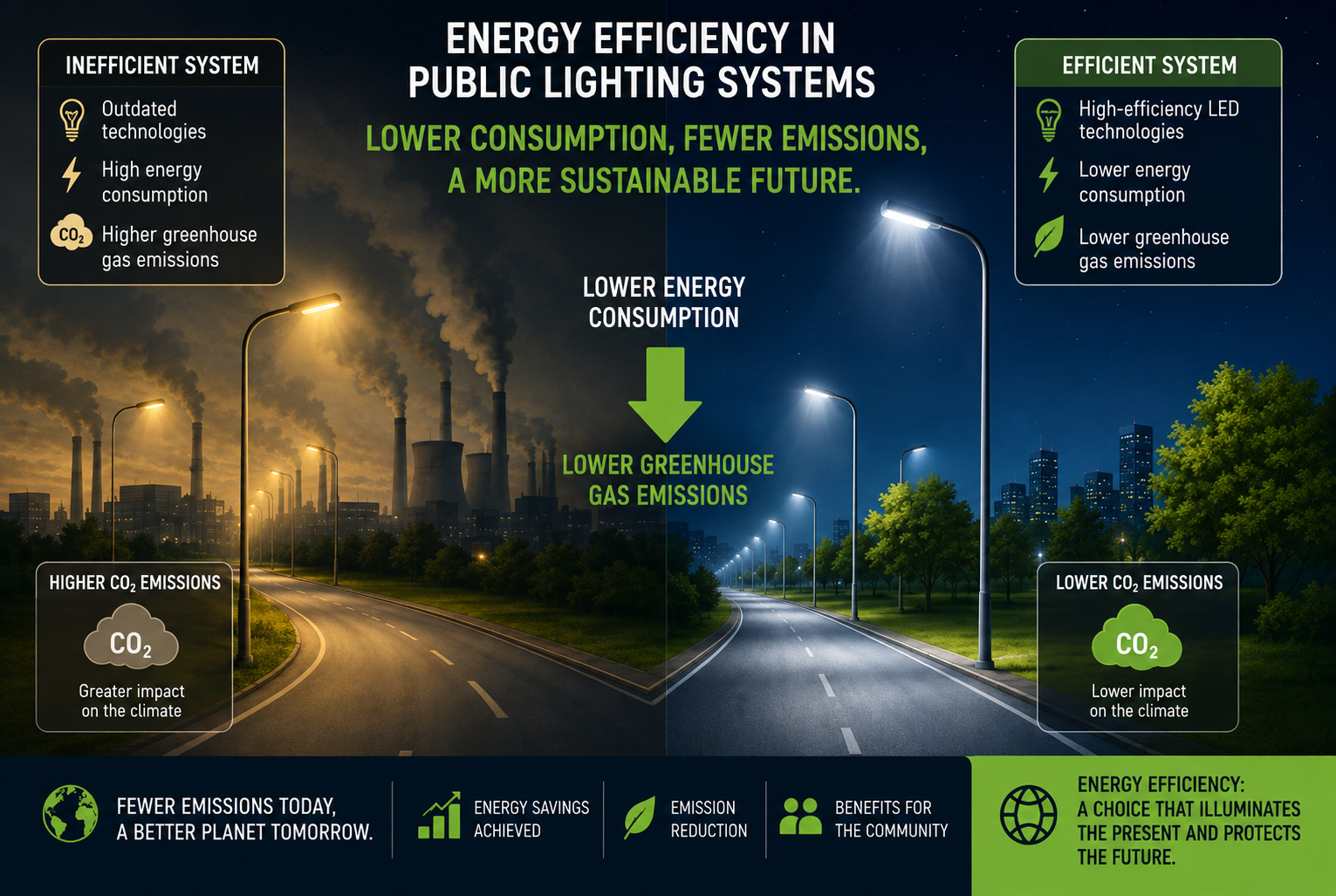
Traditional road lighting is largely designed around predefined operating conditions. But traffic volumes, weather and ambient light are constantly changing. Providing the same lighting output regardless of those conditions can mean using more electricity than necessary.
CIRCUIT is testing Full Adaptive Installation (FAI) systems that respond dynamically instead.
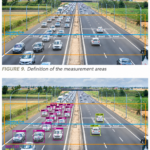
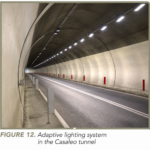
In the Italian pilot, installations on the A90 and A91 motorways and the SS63 near Casina combine adaptive lighting with advanced monitoring technologies. Sensors measure variables including traffic, luminance and weather conditions. Algorithms then use this information to regulate lighting levels while maintaining the required safety and regulatory standards.
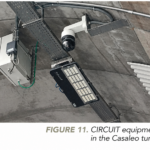
In the SS63 tunnels, TAIS sensors continuously monitor luminance and traffic and compare real conditions with design values. On the A91 motorway, FAI sensors perform a similar role outdoors, feeding real-time information into algorithms that adjust lighting power according to actual needs.
This distinction matters. Energy efficiency is no longer just a property of the light fitting. It becomes a property of the whole system.
The infrastructure can sense what is happening, interpret the data and respond accordingly.
Producing energy where it is consumed
CIRCUIT is also exploring another step: turning lighting infrastructure into a distributed renewable energy asset.
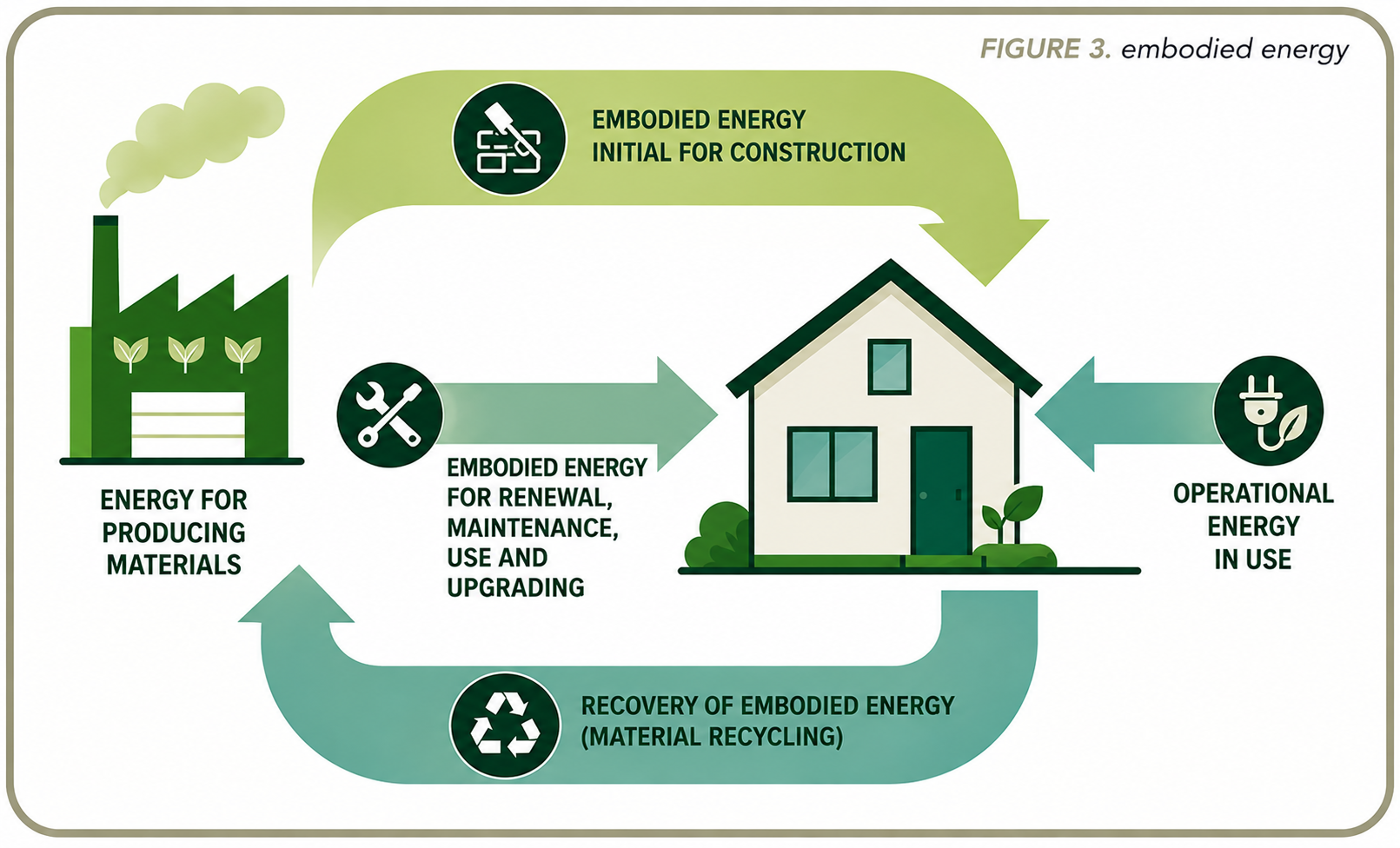
The hybrid lighting poles tested in the project combine a 200 Wp photovoltaic module with a 300 W micro wind turbine. Solar generation covers part of the daytime demand, while the wind component can continue generating when solar irradiation is unavailable. Importantly, the system is grid-connected and does not rely on electrochemical battery storage, avoiding some of the cost, maintenance and lifecycle issues associated with batteries.
The results reported from the A90 La Rustica junction make the concept particularly tangible.
Eleven lighting units were installed, with a combined power of 980 W and approximately 4,229 operating hours per year. Their estimated annual electricity demand is 4,144 kWh.
The hybrid renewable system produces 4,548 kWh per year, including:
- 3,228 kWh from solar photovoltaic generation
- 1,320 kWh from wind generation
That leaves an annual positive balance of 404 kWh. In other words, renewable production is approximately 9.7% higher than the annual electricity demand of the lighting system itself. The article also reports an estimated reduction of around 1.06 tonnes of CO2 per year.
This does not mean that the installation operates independently from the electricity grid. Quite the opposite. Its grid-connected architecture allows locally generated renewable electricity to serve local demand first, with surplus generation compensating electricity drawn from the network.
That distinction is important for replication. Instead of trying to make every piece of infrastructure completely autonomous, road operators can explore distributed generation integrated into the wider energy system.
Tunnels bring another opportunity for intelligent control
Lighting is only one part of the energy equation.
Tunnel ventilation systems must maintain safe operating conditions while responding to changes in traffic and air quality. Traditional systems often rely on relatively static thresholds. CIRCUIT is investigating a more adaptive, data-driven approach.
Distributed sensors and real-time algorithms monitor parameters including air quality, traffic conditions, thermo-fluid dynamics and fan operation. Ventilation can then be adjusted according to actual demand rather than operating unnecessarily at higher levels. The same digital architecture can support continuous monitoring, anomaly detection and better maintenance planning.
The principle is similar to adaptive lighting: measure first, understand actual demand, then deliver only what is required.
Energy efficiency starts before infrastructure is switched on
One of the article’s most important messages is also one of the easiest to miss.
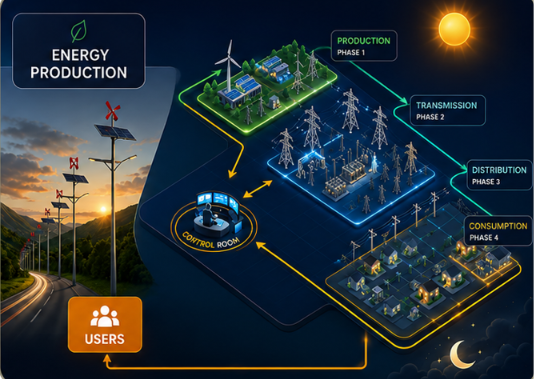
Operational electricity consumption is only part of an infrastructure asset’s environmental footprint.
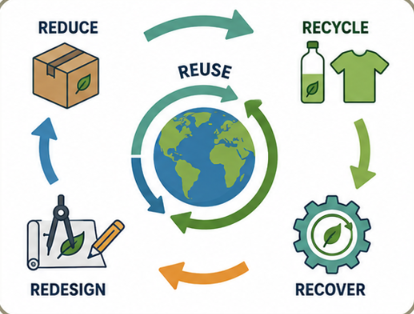
CIRCUIT therefore places energy efficiency within a broader Life Cycle Assessment and circular economy framework, considering the energy embodied in materials, production, construction, maintenance, reuse and end-of-life management. Eco-design, design for disassembly, recyclability and the use of secondary and bio-based raw materials form part of the same strategy.
This changes the question from:
“How much electricity does this infrastructure consume?”
to:
“How can we minimise resource and energy use across its entire life cycle while maintaining performance and safety?”
That is a much more powerful question for transport authorities making investment decisions that may shape infrastructure for decades.
From individual technologies to a smarter infrastructure model
The Italian pilot illustrates why the transition towards lower-carbon roads cannot rely on a single technology.
Efficient luminaires matter. So do renewable energy systems. But their value increases when they are connected to sensors, data, adaptive control and lifecycle-based design.
CIRCUIT brings these elements together within a broader approach that also includes digital engineering tools, BIM, Digital Twins, Life Cycle Assessment, modular design, reuse and circular materials.
The result is a different vision of road infrastructure: not simply a passive asset consuming resources, but an infrastructure system capable of monitoring its environment, adjusting its operation and participating in energy generation.
For road authorities facing rising energy costs, decarbonisation targets and increasingly demanding infrastructure requirements, the lesson from the Italian pilot is practical. The next efficiency gains will not necessarily come from one dramatically better component. They may come from making the whole system work more intelligently.


Source note: Based on the article “Illuminazione stradale: il futuro con meno consumi e più intelligenza”, published in Strade & Autostrade, issue 4-2026, by Patrizia Bellucci, Mirko Gremes, Andrea Zanola, Gabriele Gamannossi and Luigi Rizzi.